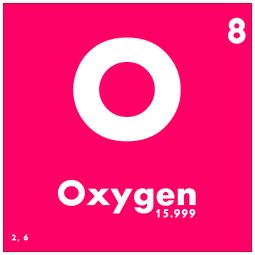
 As I set out to establish the agile portfolio management process for Catalina, I searched for any new methods around how to best express value. All I could find were complicated formulas or different variations of Value Points. I wanted something simple for my diverse portfolio team, mostly leaders but from all over the world and from all sorts of backgrounds. I wanted something that required no real knowledge of agile. I was hoping to find something as simple as t-shirt sizes for Story Points. I didn’t … so I invented a new method: Relative Value. Relative Value is to the portfolio what Story Points are to the work of the team. In other words, Relative Value is basically analogous to Relative Effort for which Story Points are used.
After thinking through the concept of Relative Value, I knew I wanted to keep it simple. That meant coming up with something so obvious that even your mom would get it (note: my mom is an agile practitioner, so of course she got it). Inspired by the Periodic Table of Elements, here’s what I came up with:
- Oxygen: Without question must be done to keep the business alive. Think compliance, essential infrastructure to run the business, or whatever will prevent a catastrophic loss to the business.
- Platinum: The most valuable of all, but won’t be the downfall of the business if it doesn’t come to fruition. Think competitive advantage, attracting new clients, or something for which clients are willing to pay.
- Gold: The second most valuable of all. Think improved customer usability, quality, time to market, or delivering on functionality frequently requested by customers.
- Silver: The least valuable of all but still has value at the portfolio level. Think more internal value vs external value.
This Relative Value method has been in use all year and has served Catalina well. Gone are the days of vague labels like high / medium / low or over-engineered scoring systems that only serve to confuse. Now there is a clear understanding across the business of the value of our 200+ portfolio epics. The main challenge with this method has been distinguishing Platinum from Gold. Oxygen and Silver are quite obvious, but Platinum and Gold not so much. Ultimately, you can defer to any revenue and savings ROI numbers that you have available to make a final call.
With Relative Value we are further able to simplify our Quarterly Portfolio Prioritization (QPP) process by creating discrete value buckets across our four rolling quarter plan for which to further stack rank (prioritize) the portfolio epics. I’ll leave an overview of that process for a future blog post.
Tell me what value method is working for your portfolio or how this Relative Value method might work at your company.

 i.am.agile
Leave a comment